The Most Overlooked Part of Culturally Aware Care: Confidence Before Anything Touches the Skin
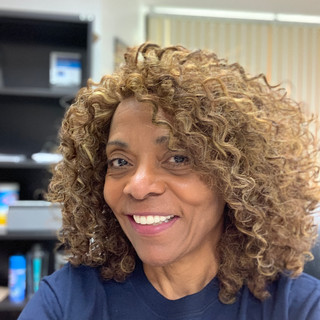
Most people think skin and hair care starts with finding the right product. But families who feel truly seen before the first drop touches the skin make calmer, wiser choices. When guidance respects your home, values, and lived reality, confidence grows—and hesitation fades. Culturally aware care is about trust and understanding long before products enter the picture. Ready to see how that confidence changes everything? Learn more here.
Building Confidence Through Culturally Aware Care
Why Confidence Comes First
Imagine a world where you feel completely at ease before trying a new skincare product. When families experience culturally aware care, they find this peace. Culturally aware care means understanding your unique needs, values, and traditions. When your background is honored, you feel empowered to make choices that truly benefit you and your family.
Trust-Based Wellness for Families
Trust is the foundation of any healthy relationship, including wellness. For families, trust-based wellness means a commitment to acknowledging their cultural identities. It's about creating a safe space where your family feels comfortable and respected. When you recognize the importance of trust, you can see how it encourages families to embrace advice and stick to routines that work for them.
The Impact of Feeling Seen and Heard
Feeling seen and heard transforms the way families approach care. When your lived experiences are acknowledged, you gain confidence in your choices. This sense of understanding leads to better outcomes and a stronger sense of belonging. Imagine a world where your voice is valued—where your story shapes the care you receive. This is the power of culturally competent care.
The Essentials of Culturally Competent Family Care
Recognizing Lived Experiences in Care
To truly support families, recognizing lived experiences is crucial. Each family has unique stories that shape their care needs. By embracing these stories, care becomes more effective and personalized. Families deserve guidance that reflects their realities, leading to more meaningful and impactful care experiences.
Language and Communication in Guidance
Effective communication is key. Using language that resonates with families fosters connection and trust. Culturally aware care involves speaking in ways that are clear and respectful. When caregivers communicate effectively, families feel understood and valued, paving the way for positive interactions and outcomes.
Faith-Based Wellness Resources
For many, faith plays a vital role in wellness. Faith-based wellness resources provide spiritual support, offering a source of strength and peace. Integrating faith into care acknowledges its importance in many families' lives. This holistic approach ensures that all aspects of well-being are nurtured, creating a comprehensive care experience.
Practical Steps to Family Confidence in Care
Textured Hair and Melanin Skin Care Tips
Caring for textured hair and melanin-rich skin requires specific knowledge. With the right tips, families can maintain healthy, beautiful hair and skin. Embracing these practices boosts confidence and empowers families to embrace their natural beauty.
Use products specifically designed for textured hair to ensure proper moisture and care.
Protect melanin-rich skin with sunscreen to prevent damage and maintain health.
For more insights, explore this guide for parents and caregivers.
Trust-Based Education for Caregivers
Education is a powerful tool. By providing trust-based caregiver education, we equip families with the knowledge they need. This education focuses on understanding cultural nuances and creating supportive environments. When caregivers are informed, they can offer care that respects and honors each family's unique journey.
Simple, Neurodivergent-Friendly Routines
Neurodivergent families benefit from routines that are clear and straightforward. These routines create a sense of stability and comfort. By keeping routines simple, families can reduce stress and enhance their overall well-being. It's about finding what works best and adapting care to fit each individual's needs.



Comments