Story as Medicine: Building Connection and Healing in Neurodivergent and Melanin-Rich Communities
Updated: Apr 11
Storytelling is more than words—it’s a powerful tool for healing in neurodivergent and melanin-rich communities. When your story is heard, your mind, body, spirit, and nutrition find balance together. This post shows how storytelling for healing builds belonging and resilience through culturally competent care. Let’s explore simple practices that honor your lived experience and invite connection on your wellness path.
The Healing Power of Stories
Stories are a bridge between individuals, fostering understanding and empathy. When you share your story, you create a connection that promotes healing. Let's see how stories can transform lives.
Storytelling for Healing and Connection
Your story has the power to heal. Sharing it helps you process your emotions, which can lead to personal growth. It also allows others to see a part of themselves in your journey. Many find solace in knowing they are not alone. When you tell your story, you invite others to walk with you, creating a bond that nurtures collective healing.
When you use storytelling in your life, you're not only improving your own well-being but also contributing to a larger community of healing. By listening and sharing, you become part of a supportive network. This is especially important in neurodivergent and melanin-rich communities, where stories can validate experiences and foster resilience. Learn more about the healing power of storytelling here.
Culturally Competent Narrative Medicine
Culturally competent narrative medicine acknowledges the rich tapestry of diverse experiences. It involves understanding and respecting cultural backgrounds to provide effective care. When healthcare providers integrate narrative medicine, they become better equipped to address unique needs.
For neurodivergent and melanin-rich individuals, culturally competent care enhances trust and communication. It recognizes the importance of representation in health, ensuring that all voices are heard. This approach not only improves patient outcomes but also fosters a more inclusive healthcare environment. Providers who listen to and honor stories can create a safe space for healing. This resource discusses the impact of storytelling on health disparities.
Building Bridges with Stories
Stories connect us, building bridges across different experiences. They help us see beyond our own perspectives, fostering empathy and understanding. Let's explore how storytelling can support wellness.
Neurodiversity and Wellness in Practice
Embracing neurodiversity means recognizing and valuing different ways of thinking. Storytelling is a crucial tool in this practice. It allows neurodivergent individuals to express their unique perspectives, helping others understand their experiences.
Through storytelling, you can highlight the strengths and challenges of neurodivergent individuals. This helps break down stereotypes and encourages acceptance. Sharing stories in educational settings can promote inclusivity and support neurodivergent students, creating a more understanding environment. Explore the power of storytelling in neurodiversity here.
Melanin-Rich Wellness Through Storytelling
For melanin-rich communities, storytelling is a vital tool for preserving culture and promoting wellness. It allows individuals to share their experiences and maintain cultural traditions. This can be especially powerful in health settings, where understanding cultural context is key.
Through storytelling, communities can address health disparities by sharing their unique challenges and solutions. It empowers individuals to advocate for themselves and others, creating a collective voice for change. Stories can also provide comfort and connection, reminding individuals they are part of a larger narrative. Discover more about the impact of storytelling on community health.
Practical Storytelling for Wellness
Integrating storytelling into daily life can enhance wellness for you and your community. Let's look at some practical ways to use stories for healing and connection.
Family Wellness Practices and Prompts
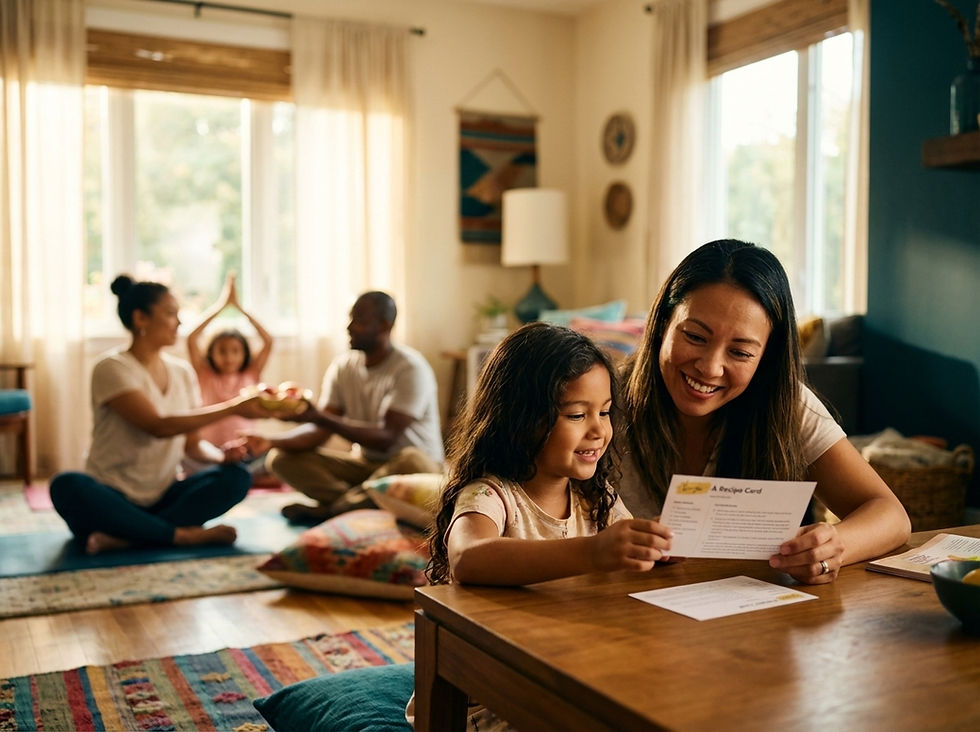
Families can use storytelling to strengthen bonds and promote wellness. Sharing stories around the dinner table or during family gatherings can create a sense of belonging. It encourages open communication, allowing family members to express their feelings and experiences.
Try incorporating storytelling prompts into your family routine. Ask about a favorite childhood memory or an important lesson learned. These prompts can spark meaningful conversations that bring your family closer. By sharing stories, you create a nurturing environment that supports mental and emotional well-being.
Inclusive Storytelling for Community Healing
Community healing begins with inclusive storytelling. When communities come together to share their narratives, they build a foundation of understanding and support. Hosting storytelling events or workshops can provide a platform for individuals to express themselves.
Encourage community members to share their stories through writing, art, or speaking. This allows for diverse voices to be heard and appreciated. By celebrating these stories, you foster a sense of belonging and resilience within your community. Inclusive storytelling can transform a group of individuals into a connected, thriving community. 🌟📚✨
By weaving stories into the fabric of our lives, we create a world where everyone feels seen, heard, and valued. Embrace storytelling as a path to holistic wellness, and watch as it transforms both individuals and communities.


Comments